Losing teeth is a common concern for seniors, affecting both oral health and quality of life. If you’re facing tooth loss, you’re probably wondering about your replacement options. The two most popular solutions are dentures and dental implants, each offering unique benefits for seniors in the Cornelius area and beyond.
Understanding the differences between dentures and implants can help you make the best decision for your smile, health, and budget. At Contour Dentistry, Dr. Tapas Patel and our experienced team are committed to helping you explore all your options to find the solution that’s right for you.
Understanding Your Tooth Replacement Options
What Are Dentures?
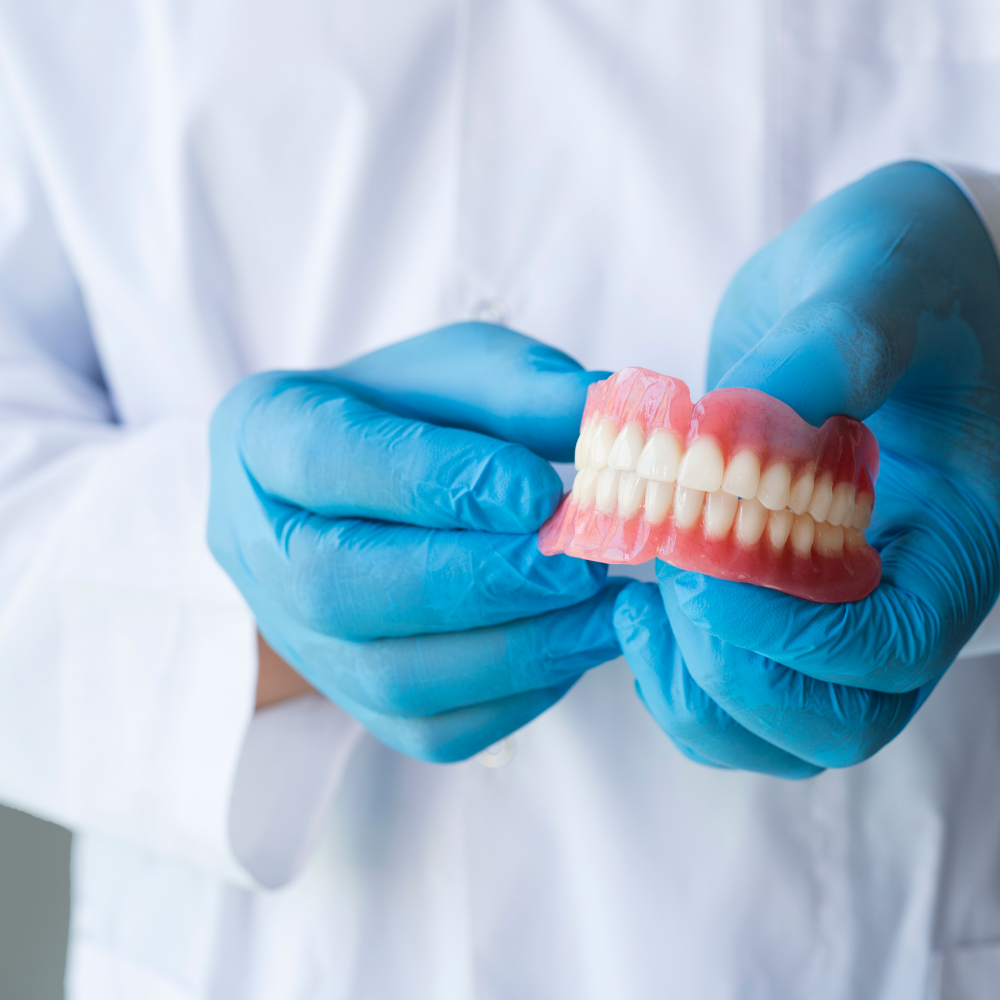
Dentures are removable prosthetic devices designed to replace missing teeth and surrounding tissue. They come in two main types:
- Complete dentures: Replace all teeth in the upper or lower jaw
- Partial dentures: Replace several missing teeth while keeping existing healthy teeth
Modern dentures are far more comfortable and natural-looking than their predecessors, crafted from advanced materials that closely mimic natural teeth and gums. At Contour Dentistry, we use the latest technology to ensure your dentures fit comfortably and look beautiful.
What Are Dental Implants?
Dental implants are titanium posts surgically placed into the jawbone to serve as artificial tooth roots. Once integrated with the bone, crowns, bridges, or even dentures can be attached to these implants. This creates a permanent, stable foundation for replacement teeth.
Dr. Patel has extensive experience with dental implant placement and restoration, utilizing advanced 3D scanning technology to ensure precise placement and optimal results.
Comparing Dentures and Implants
Comfort and Stability
Dentures can take time to get used to, and some patients may experience:
- Initial discomfort or sore spots
- Slipping or clicking while eating or speaking
- The need for adhesives to improve fit
Dental implants offer superior comfort because they:
- Feel and function like natural teeth
- Don’t slip or move during eating or speaking
- Require no adhesives or special cleaning solutions
Eating and Nutrition
- With dentures, seniors may need to avoid certain foods since hard or sticky foods can dislodge dentures, and chewing efficiency is reduced by about 25-50%. Some people develop dietary restrictions that can affect nutrition, potentially impacting their overall health and well-being.
- Dental implants restore nearly full chewing power, allowing you to eat all your favorite foods without any dietary restrictions. This improved chewing ability leads to better nutrition, which contributes to improved overall health and quality of life.
Oral Health Impact
- Dentures don’t prevent bone loss because the jawbone continues to deteriorate without tooth roots to stimulate it. Over time, facial structure may change due to this bone loss, and with partial dentures, adjacent teeth may shift position, potentially affecting your bite and overall oral health.
- Dental implants preserve oral health by stimulating the jawbone like natural tooth roots, preventing bone loss and maintaining your facial structure. Unlike bridges or partial dentures, implants don’t affect adjacent healthy teeth, allowing you to preserve your existing natural teeth for years to come.
Long-term Value
Dentures require ongoing costs:
- Relines and adjustments every few years
- Complete replacement every 5-10 years
- Adhesives and cleaning products
- Potential repair costs
Dental implants offer long-term value:
- Can last 25+ years with proper care
- Minimal maintenance costs
- No need for special products or frequent replacements
Age and Health Considerations
Candidacy for Treatment
Dentures are suitable for most seniors:
- No surgical requirements
- Good option for those with health conditions that prevent surgery
- Can be made regardless of bone density
Dental implants require certain health criteria:
- Adequate bone density (though bone grafting can help)
- Good overall health for minor surgery
- Healing ability and commitment to oral hygiene
During your consultation at Contour Dentistry, Dr. Patel will conduct a thorough evaluation using our advanced digital x-ray technology to determine which option is best suited to your individual needs and health status.
Recovery and Adjustment
- Dentures have a shorter adjustment period since no surgery is required and they can be worn immediately after fitting. Most seniors adapt to their new dentures within an adjustment period of 2-4 weeks, making this a quicker solution for those who need immediate tooth replacement.
- Dental implants require a longer process with a healing time of 3-6 months for the implant to integrate with the jawbone. While this involves a minor surgical procedure with manageable discomfort, temporary solutions are available during the healing period to ensure you’re never without teeth.
Making the Right Choice for Your Lifestyle
Consider Dentures If You:
Dentures may be your best choice if you have significant bone loss in your jaw, health conditions that make surgery risky, or need an immediate and more affordable solution. They’re also ideal for seniors who are comfortable with daily removal and cleaning routines as part of their oral care regimen.
Consider Dental Implants If You:
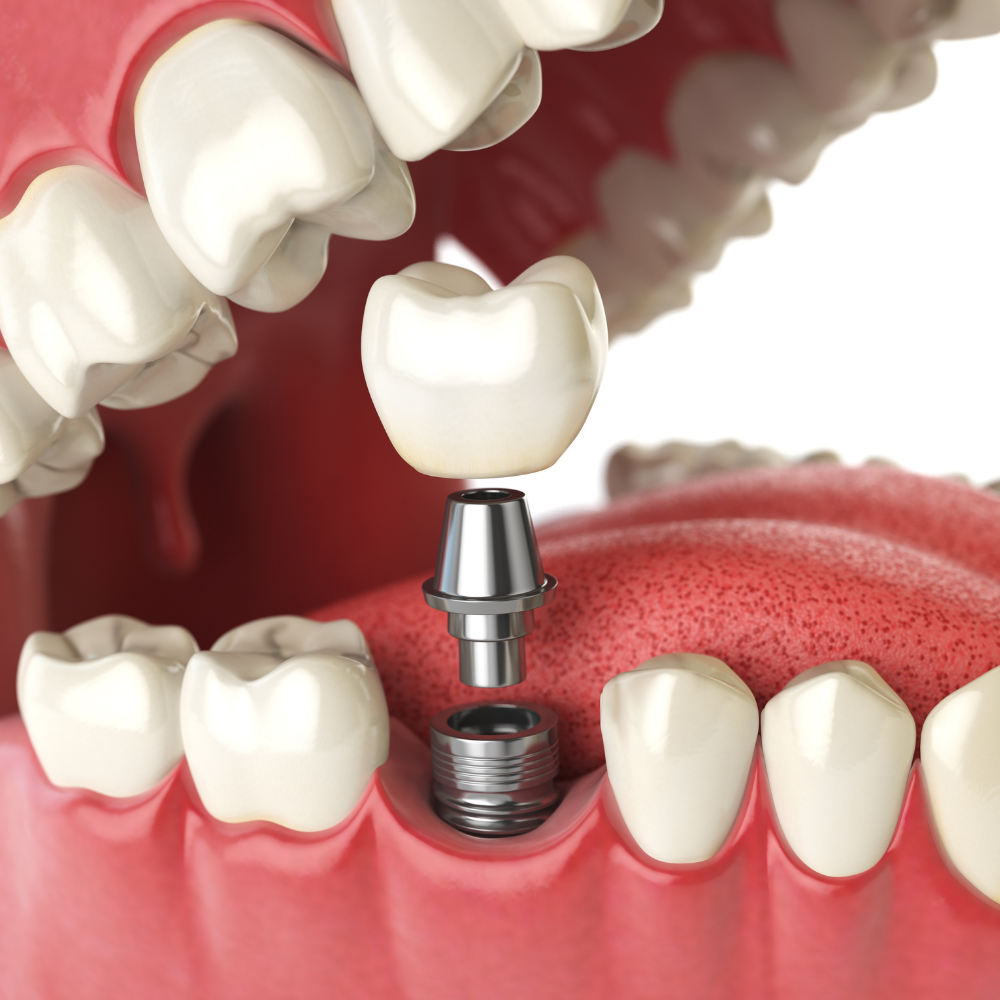
Dental implants might be your ideal solution if you have adequate bone density or are willing to undergo bone grafting, want the most natural feeling and functioning teeth, and prefer a permanent solution with minimal maintenance. They’re perfect for seniors who are willing to invest in long-term oral health and want a tooth replacement option that closely mimics their natural teeth.
Ready to Restore Your Smile?
Don’t let missing teeth hold you back from enjoying life to the fullest. Call Contour Dentistry today at (704) 702-6428 to schedule your appointment with Dr. Tapas Patel. Together, we’ll create a personalized treatment plan that helps you achieve a healthier, more confident smile.